





























Marine Propulsion Systems Inside the Engine Room
Learn the key parts of a marine engine, how they work, and why they matter for performance, safety, and maintenance at sea.

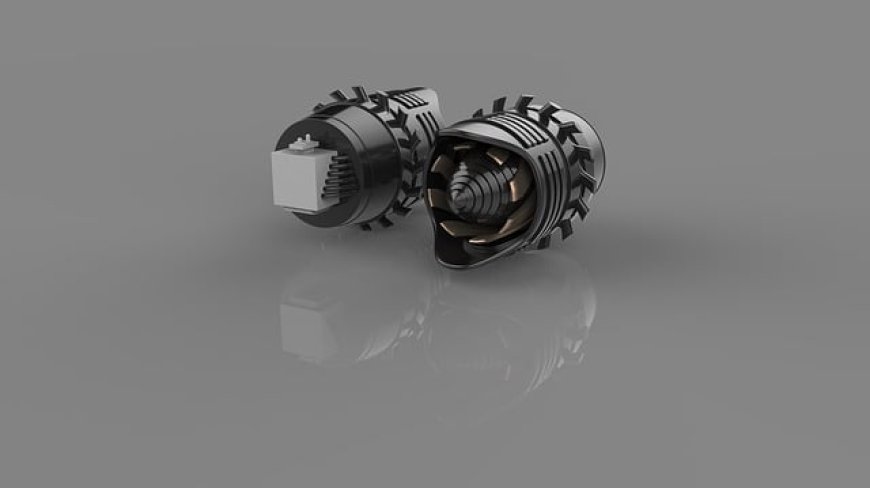
Marine engine Parts are the beating heart of any vesselfrom small fishing boats to massive cargo ships. While they often go unnoticed by passengers enjoying the open water, these engines and their components are critical to safety, reliability, and performance on the sea. Whether you're a seasoned mariner or a curious enthusiast, understanding the key marine engine parts can help you better appreciate (and maintain) these powerful machines.
What Is a Marine Engine?
A marine engine is a powerplant specifically designed for propulsion in aquatic environments. Unlike automotive or industrial engines, marine engines are built to withstand harsh conditionscorrosion from saltwater, variable loads, and continuous operation for long hours.
They come in various forms, including:
-
Inboard engines
-
Outboard engines
-
Sterndrive (inboard/outboard) engines
-
Jet propulsion systems
Key Marine Engine Parts and Their Functions
Lets break down the essential components that keep marine engines running smoothly.
Cylinder Block
The backbone of the engine, it houses the cylinders where fuel combustion occurs. It must be made from corrosion-resistant materials due to constant exposure to humid or salty conditions.
Pistons and Connecting Rods
Pistons move up and down in the cylinders, converting combustion pressure into mechanical energy. The connecting rods transfer this motion to the crankshaft.
Crankshaft
This rotating shaft converts the pistons' linear motion into rotational energy, which then drives the propeller.
Camshaft
Controls the opening and closing of intake and exhaust valves, synchronized with the movement of the pistons.
Fuel System
Includes injectors, pumps, and filters to deliver the right amount of fuel at the right time. Marine engines often use diesel due to its efficiency and safety at sea.
Cooling System
Vital for preventing overheating. Most marine engines use a raw water cooling system or heat exchanger system that circulates seawater to cool the engine block and exhaust.
Lubrication System
Ensures all moving parts are coated in oil to reduce friction, wear, and heat. Marine-grade oils are specifically designed to resist moisture and maintain viscosity in harsh conditions.
Exhaust System
Removes gases created during combustion. In marine engines, the exhaust is often water-cooled to reduce temperature and noise.
Transmission / Gearbox
Transfers power from the engine to the propeller shaft, controlling speed and direction. Marine gearboxes are built to handle high torque and prolonged operation.
Electrical System
Includes the starter motor, alternator, ignition system, and engine management electronics. Marine electrical components are waterproofed and corrosion-resistant.
Additional Important Marine Engine Components
-
Turbocharger Boosts power by compressing air into the engine.
-
Intercooler Cools compressed air from the turbo for better performance.
-
Mounts and Dampers Reduce engine vibration for smoother operation.
-
Impellers Essential part of the water pump in the cooling system.
-
Zinc Anodes Sacrificial metals that protect engine parts from electrolysis and corrosion.
Maintenance Tips for Marine Engine Parts
-
Regular Oil Changes Marine oil degrades quickly due to moisture exposure.
-
Inspect Hoses and Belts Look for wear, cracks, and salt buildup.
-
Flush Cooling System Especially after use in saltwater.
-
Replace Anodes Annually Prevents corrosion of more expensive components.
-
Check Filters Fuel and oil filters should be cleaned or replaced often.
-
Run the Engine Regularly Prevents internal rust and keeps fluids circulating.
Why Knowing Your Marine Engine Matters
Understanding your engine and its components empowers you to:
-
Diagnose problems early
-
Perform routine maintenance
-
Communicate effectively with mechanics
-
Extend the life of your engine
-
Enhance safety while on the water
A failure at sea is not just inconvenientit can be dangerous. Thats why familiarizing yourself with marine engine parts isn't just for professionalsits for anyone who sets sail.
Final Thoughts
Marine engines are complex machines built for the toughest environments. Each componentfrom the smallest gasket to the heaviest crankshaftplays a role in ensuring your vessel runs smoothly and safely. Whether youre cruising for pleasure or working on the water, maintaining and understanding these engine parts is the key to a reliable marine journey.