






















What is Revision Rhinoplasty? A Complete Guide
Revision rhinoplasty corrects or improves results from a previous nose surgery. Learn about the procedure, recovery, risks, and why experience matters in this guide.

Rhinoplasty, commonly referred to as a nose job, is one of the most popular cosmetic surgery procedures worldwide. While many people are satisfied with their rhinoplasty results, there are instances where patients seek further correction due to unsatisfactory results or complications. This is where revision rhinoplasty comes into play. Revision rhinoplasty is a highly specialized procedure designed to correct or refine the results of a previous nose surgery.
In this comprehensive guide, we will explore everything you need to know about revision rhinoplasty, including what it is, why its performed, the procedure itself, recovery, and much more. Whether you're considering a revision or simply want to learn about the process, this guide will provide valuable insights.
What is Revision Rhinoplasty?
Revision rhinoplasty is a surgical procedure performed to correct or improve the results of a previous rhinoplasty. While many individuals are happy with the outcome of their first surgery, there are a variety of reasons why a second or third rhinoplasty might be necessary. These reasons can range from functional issues (like breathing problems) to aesthetic concerns (like an asymmetrical or unnatural look).
The revision procedure is often more complex than primary rhinoplasty, as it involves working with the existing tissue, cartilage, and bone, which may have already been altered during the first surgery. Due to this complexity, revision rhinoplasty requires a highly skilled and experienced surgeon.
Why Do People Need Revision Rhinoplasty?
There are several reasons why patients may choose to undergo revision rhinoplasty. Some of the most common reasons include:
1. Unsatisfactory Aesthetic Results
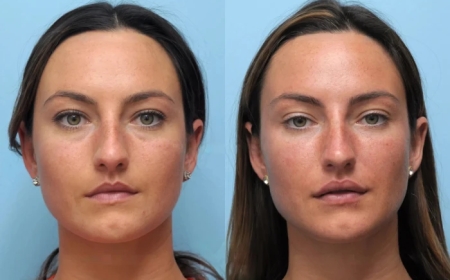
After the initial rhinoplasty, some individuals may feel that their nose does not look as expected. Common issues include an unnatural shape, a disproportionate nose, or the appearance of a pinched or overdone nose. In such cases, revision rhinoplasty can help achieve more balanced and harmonious results.
2. Breathing Problems
A primary concern for many individuals seeking revision rhinoplasty is difficulty breathing. The initial surgery might have altered the nasal passage in a way that hinders airflow, leading to chronic nasal congestion or breathing difficulties. Revision rhinoplasty can correct these issues by reconstructing or resizing the nasal passages.
3. Scar Tissue Formation
After rhinoplasty, some individuals develop excess scar tissue inside the nose, which can obstruct airflow or cause an irregular appearance. Revision rhinoplasty can remove or adjust the scar tissue to restore both function and aesthetics.
4. Trauma or Injury
In some cases, the nose might become injured after an initial rhinoplasty, whether from a traumatic event or simple everyday occurrences. A second surgery may be necessary to restore the nose's shape or function after the injury.
5. Surgical Complications
Although rare, complications such as infections, graft failure, or issues with the sutures can arise after a primary rhinoplasty. These issues may necessitate a revision to ensure proper healing and functionality.
Who is a Good Candidate for Revision Rhinoplasty?
Not everyone who has had a previous rhinoplasty is a candidate for revision surgery. Ideal candidates for revision rhinoplasty are individuals who:
-
Are in good overall health
-
Have fully healed from the initial rhinoplasty (usually waiting a year or more)
-
Have realistic expectations about the potential outcomes
-
Have a clear idea of what they want to change or improve about their nose
-
Understand the risks and challenges associated with revision surgery
Because revision rhinoplasty is more intricate than primary rhinoplasty, it's important to consult with a highly skilled surgeon who specializes in complex nasal surgeries.
What Happens During the Revision Rhinoplasty Procedure?
Revision rhinoplasty is a highly individualized surgery, meaning that each procedure varies depending on the patient's specific needs and concerns. However, there are some general steps that are common to most revision surgeries.
-
Consultation and Planning
During the initial consultation, the surgeon will evaluate the previous surgery and assess the current state of the nose. They will listen carefully to the patients concerns, discuss the desired outcomes, and perform a thorough examination of the nasal structure. Advanced imaging techniques may be used to visualize the nasal anatomy and plan the surgery. -
Anesthesia
Revision rhinoplasty is typically performed under general anesthesia, although local anesthesia with sedation may also be an option for certain cases. The patient will be asleep during the procedure to ensure comfort and minimize any pain. -
Incisions
The surgeon will make incisions either inside the nose (closed rhinoplasty) or across the base of the nostrils (open rhinoplasty). For revision procedures, open rhinoplasty is often preferred as it provides better access to the nasal structures. -
Surgical Modifications
The surgeon will then work to reshape the nasal bone, cartilage, and soft tissue. This may involve the removal of excess tissue, grafting (using cartilage from the ear, rib, or septum), or repositioning existing tissue to restore the desired shape and function. -
Closing the Incisions
After the necessary modifications have been made, the incisions are carefully closed with sutures. The surgeon may place a splint or dressing to support the nose as it heals. -
Post-Operative Care
Post-surgery care is crucial to ensure proper healing and minimize complications. The surgeon will provide instructions on how to care for the nose, including avoiding strenuous activities, protecting the nose from impact, and taking medications to manage pain or swelling.
Recovery After Revision Rhinoplasty
The recovery process after revision rhinoplasty is similar to that of primary rhinoplasty, but it may be more challenging due to the complexity of the surgery. Here's what you can expect during the recovery phase:
-
Swelling and Bruising: Swelling is common, especially around the eyes and nose. Bruising may also occur, but it usually subsides within two weeks.
-
Pain and Discomfort: While the pain is generally manageable with prescribed medications, some discomfort may persist for a few days.
-
Splint or Bandage: A splint is typically placed on the nose to support it during the healing process. It is usually removed within a week to ten days.
-
Resuming Normal Activities: Most patients can return to light activities within one to two weeks, though strenuous exercise or activities that could impact the nose should be avoided for several weeks.
-
Final Results: While the initial healing phase takes about a month, it may take up to a year for the final results to fully appear as the nose continues to settle and heal.
Risks and Considerations
Like any surgical procedure, revision rhinoplasty carries risks, including infection, bleeding, scarring, and anesthesia complications. Because it is more complex than primary rhinoplasty, the risks associated with revision surgery may be slightly higher. It is essential to have realistic expectations and a clear understanding of potential risks.
Why Choose an Experienced Surgeon for Revision Rhinoplasty?
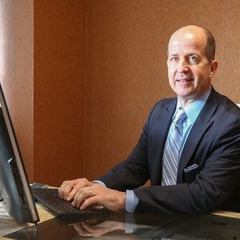
Revision rhinoplasty is a delicate and intricate procedure that requires a surgeon with specialized expertise. It is essential to choose a plastic surgeon who has extensive experience in performing both primary and revision rhinoplasties. Dr. David Alessi MD FACS, for example, is a renowned plastic surgeon known for his artistry and skill in nasal surgery. His approach is patient-centered, ensuring each person receives a tailored treatment plan that addresses both functional and aesthetic concerns.
Conclusion
Revision rhinoplasty is a highly specialized procedure designed to correct or enhance the results of a previous rhinoplasty. Whether you're looking to refine the appearance of your nose or address breathing difficulties, revision rhinoplasty offers a solution for those who are not satisfied with their initial surgery outcomes. It is essential to consult with an experienced surgeon to ensure the best possible results, minimize risks, and achieve a nose that not only looks great but functions well.
If you're considering revision rhinoplasty, make sure to choose a skilled and experienced surgeon, and take the time to understand the process, recovery, and potential outcomes. With the right approach, revision rhinoplasty can significantly improve both the appearance and function of your nose.