





























Understanding DMAIC: The Core of Six Sigma Process Improvement
Discover the basics of Six Sigma and how the DMAIC process—Define, Measure, Analyze, Improve, Control—helps organizations reduce errors, improve quality, and achieve lasting process improvements.

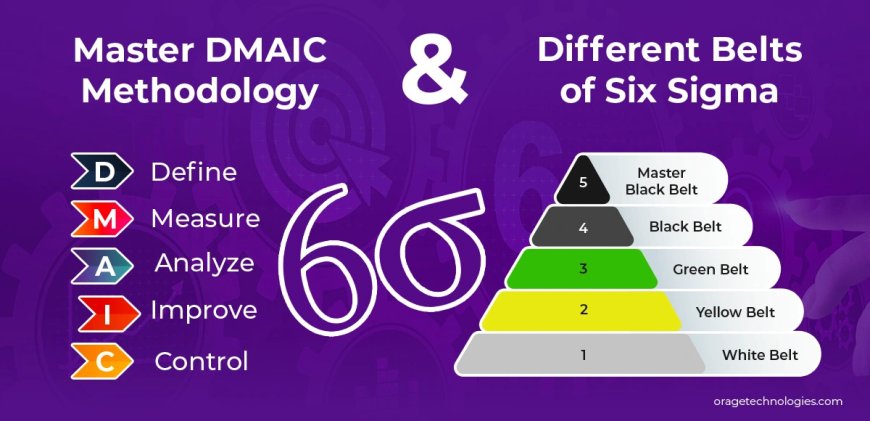
If youre reading this, chances are youve heard stories about how large companies save money and create amazing quality. They share many success stories and one constant factor is Six Sigma. Six Sigma is a methodology used today to help organizations work in a more intelligent way that reduces waste and customer dissatisfaction.
Six Sigma is not just a competent term it is a way to improve business processes. If you ever wonder what is DMAIC in Six Sigma, you have come to the right place, we can provide you with a brief overview, in simple language.
To Understand Six Sigma
The basic goal of Six Sigma is to decrease errors and improve a process. Six Sigma is a statistical term; sigma measures how much variance exists in a process. A Six Sigma process means a process is consistent and produces only a few mistakes based on a million opportunities that is why Six Sigma is used to find problems, solve them, and sustain improvements over time.
Six Sigma can be viewed in a few different contexts:
-
A philosophy: to always assess opportunities to improve.
-
A metric: a number representing process performance.
-
A process: Using a practical step-by-step approach to solve issues.
What is DMAIC in Six Sigma?
The most important part of Six Sigma is the DMAIC framework. The DMAIC process stands for Define, Measure, Analyze, Improve, and Control. These five steps walk teams through process improvement projects from beginning to the end. Heres what happens in each DMAIC phase in practice.
Define
Every project needs a clear start. In the Define phase teams determine the problem to be solved, why that problem is important, and what success will look like. The team creates a simple project charter - a one-page project plan - to define the goal, scope and benefits. The SIPOC (suppliers, inputs, process, outputs, customers) tool helps everyone see how the entire process flows from beginning to end.
Measure
Next comes the measuring phase, where teams measure how things currently measure up. The teams gather data so they can quantify how big the problem is and the frequency of the problem. This phase is based on data, not impressions. The teams make a flow diagram of the process, validate the reliability of the measurement and evaluate the performance against customer expectations.
Analyze
In the analysis phase, teams analyze further to uncover the root cause(s) of the problem and find the real problem causes (vs. symptoms). The teams brainstorm potential root cause categories, organize these categories using various tools, such as the fishbone diagram and they establish if their previous hypotheses were valid using data. The aim is to find the couple of root causes that contribute significantly to the overall problem.
Improve
Once root causes are established the next step is to improve. The teams brainstorm potential solutions, pilot them and select the most effective solutions. The teams can use basic decision aid tools to rank and evaluate potential solutions and check the effectiveness of the changes. The best potential solutions are then rolled out across the organization.
Control
The final aspect, Control, focuses on ensuring the improvements are sustained over time. The team will create a simple action plan to monitor the project, revise and update any existing procedures, and train the people involved in the process. The Control phase helps avoid the recurrence of previously eliminated problems, and ensures the sustainability of previously eliminated problems, while also maintaining the performance of the process that was improved.
Who Leads Six Sigma Projects?
Six Sigma projects will not be successful unless leaders at all levels participate actively. The executive leadership provides the mandate and direction, and they also ensure that projects align with the company goals or strategic objectives. The project champions provide support and ensure the teams stay focused on the task.
Six Sigma Belts: What Are They?
Similar to martial arts, the Six Sigma process uses belts to indicate levels of performance and responsibility, in the following way:
-
White Belt: Learn about Six Sigma and support improvement projects on specific tasks.
-
Yellow Belt: Understand the core tools of Six Sigma and provide back up to the team activities.
-
Green Belt: Lead projects on a part-time basis using statistical data to maximize the solution and drive improvements.
-
Black Belt: Lead complex improvement projects on a full-time basis; coach and execute team activities, and teach others.
-
Master Black Belt: Coach and train teams on the Six Sigma process and facilitate overall strategy development based on the organizations improvement journey.
As you can see from the model above, there are progressive development stages required. In between each belt level, there will still be education provided to advance skill levels and effort will be placed on increased complexity.
Why Six Sigma Matters
Six Sigma and DMAIC are not just trendy terms but solid tools of process improvement. In the name of quality and efficiency, organizations can save money, sustain customer happiness, and stay ahead in competition. Be it a manufacturing industry or healthcare, customer services, or any other sigma practices can always assist your team to work smart.
Conclusion: Your First Step Toward Process Improvement
Six Sigma focuses more on continuance than on the perfection of a singular attempt. The DMAIC process is there to guide you every step of the way, solving whatever issues arise, whether small or major projects.
Go back to the basics. Know the process. Practice everything on the way. Then learn about Six Sigma belt levels when you are ready to extend your knowledge and spread your impact.
You don't have to be an expert from day one. But with some good knowledge about what is DMAIC in Six Sigma, you weigh into smarter problem-solving and getting better results.