





























Tree Removal: When, Why, and How to Safely Remove a Tree
Tree removal is sometimes necessary—but it should always be done responsibly, safely, and thoughtfully. Whether you’re clearing space, removing a hazard, or responding to storm damage, working with a trusted professional ensures the job is done right and with minimal impact on your landscape.

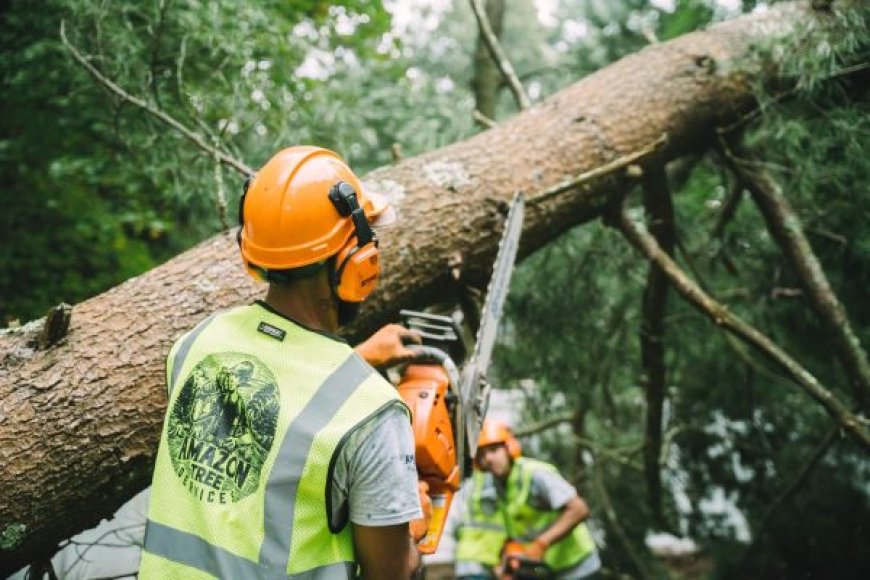
Tree removal isnt something most homeowners think aboutuntil they have to. Whether its a tree thats dying, leaning dangerously, or simply in the wrong place, there comes a time when removing a tree is the best (and safest) choice.
This guide will walk you through the why, when, and how of tree removal, including safety tips, costs, and what to expect.
? Common Reasons for Tree Removal
Trees are amazing, but sometimes they outgrow their space or become dangerous. Here are the most common reasons you might need to remove one:
? Disease and Decay
A sick or dying tree is a hazard. It can lose limbs or fall without warning. Trees with trunk rot, fungal growth, or insect infestation often can't be saved.
?? Storm Damage
Severe weather can crack trunks, snap limbs, or completely uproot trees. If a trees structural integrity is compromised, it may need to go.
? Root Problems
Invasive roots can lift sidewalks, damage plumbing, and weaken your home's foundation. Unfortunately, trimming roots is rarely enough.
? Overcrowding or Landscaping Changes
Sometimes trees are planted too close together or in the wrong spot. Removing one can give others room to thriveor open space for something new.
?? Safety Hazards
If a tree is leaning over your house, growing into power lines, or has large dead branches, its a risk. Dont wait for an accident to happen.
? Signs a Tree Needs to Be Removed
Wondering if your tree is a candidate for removal? Watch for these red flags:
-
Dead or falling branches: Especially high ones that dont leaf out.
-
Cracks in the trunk: Deep splits or missing bark are signs of decay.
-
Leaning: A sudden lean or uprooted roots mean trouble.
-
Fungal growth: Mushrooms at the base can signal internal rot.
? DIY vs. Professional Tree Removal
Some small trees might seem like an easy weekend projectbut is it worth the risk?
? When Can You Do It Yourself?
If the tree is:
-
Small (under 10 feet)
-
Not near structures or power lines
-
Healthy enough to fall in one piece
...you might handle it with basic tools. But dont take chances.
???? Why Hiring a Pro is Safer (and Smarter)
Professionals bring expertise, equipment, and insurance. They:
-
Know how to fall a tree safely
-
Handle debris quickly
-
Avoid damage to your home and yard
-
Are insured in case something goes wrong
? The Tree Removal Process (Step-by-Step)
Heres what to expect when you hire a pro:
1. Site Assessment
Theyll inspect the trees health, size, and surrounding space to plan the safest removal route.
2. Permits and Permissions
Some cities require permits, especially for large or protected trees. Your tree service should handle this.
3. Tree Cutting
Using saws and ropes, the tree is either cut in pieces from the top down or felled in one directiondepending on space.
4. Limb and Debris Removal
Branches are removed, chipped, and hauled away. Some companies offer firewood or mulch from the remains.
5. Stump Removal or Grinding
Leftover stumps can attract pests or regrow. Grinding is the most popular method.
?? Tree Removal Equipment Used
Depending on the size and complexity, pros might use:
-
Chainsaws and pole saws
-
Wood chippers to process branches
-
Cranes or lifts for tall trees in tight spaces
-
Protective gear like helmets, goggles, and harnesses
? Cost of Tree Removal
Prices vary based on several factors:
| Tree Size | Average Cost (USD) |
|---|---|
| Small (under 30 ft) | $150 $400 |
| Medium (3060 ft) | $400 $800 |
| Large (60100 ft) | $800 $1,500+ |
Other cost factors include:
-
Location/accessibility
-
Emergency removal needs
-
Stump removal (extra)
? Tree Removal Laws and Permits
Dont cut first and ask later. Many cities require a permit, especially for:
-
Trees over a certain diameter
-
Native or protected species
-
Removal on commercial properties
Check with your local municipality or let your tree service handle the paperwork.
? What to Do After Tree Removal
Dont just leave a hole in your yard. Make the most of the cleared space.
Stump Grinding
Grinding leaves your yard cleaner and safer. You can even replant on the spot.
Replanting or Landscaping
Think of tree removal as a chance to redesign. Add a garden, deck, or plant a better-suited tree.
Soil Restoration
Add topsoil or compost to fill the hole and restore soil health, especially if the old tree depleted nutrients.
? Environmental Considerations
Removing a tree doesn't have to be wasteful.
-
Recycle wood: Turn it into firewood, mulch, or furniture
-
Replant: For every tree removed, consider planting a native replacement
? Conclusion
Tree removal is sometimes necessarybut it should always be done responsibly, safely, and thoughtfully. Whether youre clearing space, removing a hazard, or responding to storm damage, working with a trusted professional ensures the job is done right and with minimal impact on your landscape.
? FAQs
1. Do I need a permit to remove a tree?
In many areas, yes. Especially for large or protected trees. Always check with your local city or county.
2. How long does tree removal take?
It depends on the size and location, but most jobs are completed in 28 hours.
3. Can I leave the stump?
You can, but it may rot, attract pests, or become a tripping hazard.
4. Will my yard be damaged during removal?
Reputable services use protective mats and take care to minimize impact.
5. Is tree removal covered by homeowners insurance?
Sometimesespecially if the tree fell due to a storm and damaged property. Check your policy for specifics.