

























Solid vs Engineered Hardwood Floors: Which Should You Choose?
Discover the key differences between solid and engineered hardwood floors. Learn which option suits your home best with expert insights from MC Caman Hardwood Flooring.

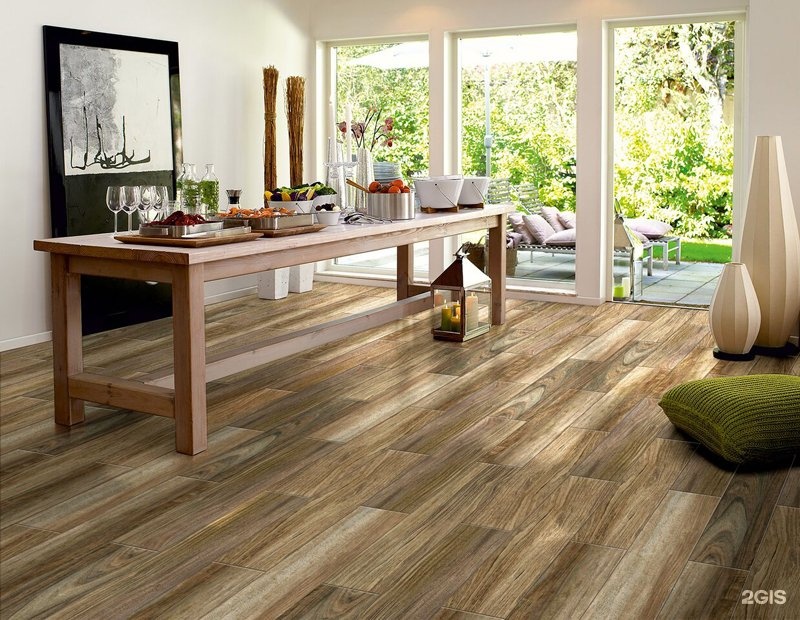
Hardwood flooring has long been a favorite for homeowners looking to add warmth, beauty, and lasting value to their homes. But when it's time to choose the right type of hardwood, one question often stands out: Should you go with solid or engineered hardwood floors?
Each option offers its own unique benefits and drawbacks, and your decision will depend on several factors like your home's subfloor, climate, lifestyle, and budget. In this guide, well break down everything you need to know about solid and engineered hardwood floors to help you make a confident and informed choice.
Whether you're remodeling a room or building your dream home from the ground up, MC Caman Hardwood Flooring is here to guide you every step of the way.
What Is Solid Hardwood Flooring?
Solid hardwood flooring is made from a single piece of natural woodfrom top to bottom. Each plank is typically 3/4" thick and can be sanded and refinished multiple times over its lifespan.
Key Characteristics:
-
Made of 100% natural wood
-
Can be sanded and refinished many times
-
Long lifespan (often 50-100 years with proper care)
-
Available in various wood species like oak, maple, cherry, and walnut
Pros of Solid Hardwood Flooring
-
Durability: With proper care, solid hardwood can last for decadeseven a century.
-
Refinishing: You can sand and refinish it multiple times, which is ideal if you want to change the color or repair surface damage.
-
Increased home value: Real estate agents often highlight solid wood floors as a selling point.
-
Timeless beauty: Offers a classic and luxurious appearance that never goes out of style.
Cons of Solid Hardwood Flooring
-
Sensitive to moisture: Not suitable for high-humidity areas like bathrooms or basements.
-
Expands/contracts: Temperature and humidity changes can cause gapping or warping.
-
Installation limitations: Must be nailed or stapled downcant be floated.
-
Higher cost: More expensive in terms of both materials and installation.
What Is Engineered Hardwood Flooring?
Engineered hardwood flooring is made of a real wood veneer on top of several layers of plywood or high-density fiberboard (HDF). The top layer is real hardwood, while the lower layers offer structural stability.
Key Characteristics:
-
Top layer is natural hardwood (usually 2mm6mm thick)
-
Core is made of plywood or composite wood layers
-
More stable than solid wood in fluctuating climates
-
Can be installed over concrete or radiant heat systems
Pros of Engineered Hardwood Flooring
-
Versatile installation: Can be glued, nailed, stapled, or floatedeven over concrete or radiant heat.
-
Moisture resistance: Better suited for humid or below-grade environments like basements.
-
Eco-friendly options: Often made using less hardwood overall.
-
Lower cost: Generally more affordable than solid wood.
Cons of Engineered Hardwood Flooring
-
Limited refinishing: Can only be sanded a few times, depending on the veneer thickness.
-
Shorter lifespan: Usually lasts 20-40 yearsless than solid hardwood.
-
Cant always change stain colors: Thinner wear layers limit refinishing options.
-
Perceived value: Some buyers still prefer solid hardwood over engineered.
Side-by-Side Comparison Chart
| Feature | Solid Hardwood | Engineered Hardwood |
|---|---|---|
| Material | 100% wood | Wood veneer + plywood |
| Lifespan | 50-100 years | 20-40 years |
| Refinishing | Multiple times | 12 times (if veneer is thick enough) |
| Cost | Higher | Lower to moderate |
| Moisture Resistance | Low | Moderate to high |
| Installation Options | Nail-down only | Nail, glue, float |
| Best For | Living rooms, bedrooms, dining rooms | Basements, kitchens, concrete subfloors |
Factors to Consider When Choosing Between Solid and Engineered Hardwood
1. Location in the Home
-
Above grade (e.g., upstairs, living room): Either option works.
-
Below grade (e.g., basement): Engineered is the better choice due to its resistance to moisture.
-
High-moisture areas (e.g., kitchens): Engineered hardwood is safer than solid hardwood.
2. Subfloor Type
-
Wood subfloors: Solid hardwood can be nailed directly.
-
Concrete subfloors: Engineered hardwood works bestespecially with glue or floating methods.
3. Climate and Humidity
If you live in a region with high humidity or drastic temperature changes, engineered flooring will likely outperform solid hardwood. Its layered construction resists warping and shrinking.
4. Durability Needs
Do you have kids, pets, or heavy foot traffic? Solid hardwood has a thicker wear layer and can be refinished multiple times. But some engineered products with thicker veneers can still stand up to everyday wear and tear.
5. Budget
Engineered hardwood is generally more affordable upfront and may be cheaper to install. If you're on a tight budget but want a wood floor look, engineered may be your best bet.
6. Aesthetic Preferences
Both solid and engineered options come in a wide range of styles, finishes, and species. If you're going for a specific designlike wide planks or distressed finishesengineered hardwood may offer more flexibility.
Why Choose MC Caman Hardwood Flooring?
Whether youre leaning toward solid or engineered hardwood, MC Caman Hardwood Flooring offers premium-quality materials and professional installation that you can count on.
Heres what sets MC Caman apart:
-
Expert guidance: Our team helps you choose the best option based on your needs, lifestyle, and budget.
-
Top-tier materials: We only work with high-quality, eco-friendly hardwood products.
-
Skilled installation: From start to finish, our certified installers ensure a flawless finish.
-
Aftercare support: We provide care tips and maintenance services to extend the life of your floor.
MC Caman Hardwood Flooring has helped countless homeowners across the region achieve beautiful, durable hardwood floors. Whether you're aiming for traditional charm or modern sophistication, we have the right solution for you.
Real-Life Use Case Examples
Example 1: The Suburban Family with Pets
A family of four, with two dogs, wanted flooring that could withstand messes and traffic. After consulting MC Caman Hardwood Flooring, they chose a durable engineered hardwood with a thick wear layer and scratch-resistant finish. It was installed over their concrete basement floor using a floating method.
Example 2: The Historic Home Renovator
A couple restoring a century-old home insisted on authenticity. Solid oak hardwood was the perfect choice, keeping the character of the house intact. MC Camans team installed it using traditional methods, maintaining historical integrity.
Example 3: The Modern Condo Owner
Living in a high-rise condo with radiant floor heating, the homeowner opted for engineered wood that could be floated over the heating system. The end result? A warm, stylish space with no compromise on comfort or design.
Final Thoughts: Which Should You Choose?
The best hardwood flooring for your home depends on your unique needs.
-
Choose solid hardwood if you want longevity, the ability to refinish many times, and traditional beautyespecially if you're installing above grade with a wooden subfloor.
-
Choose engineered hardwood if you need moisture resistance, versatility in installation, or are working with concrete or radiant heating systems.
Whatever your choice, MC Caman Hardwood Flooring is here to ensure you get the look, durability, and quality you desire.
FAQs
1. Can engineered hardwood look as good as solid hardwood?
Absolutely! Engineered hardwood has a real wood surface, so it looks nearly identical to solid hardwood once installed. Many styles mimic traditional wood perfectly.
2. How many times can engineered hardwood be refinished?
It depends on the thickness of the wear layer. Most engineered floors can be refinished once or twice. Always check with your flooring providerlike MC Caman Hardwood Flooringfor exact specifications.
3. Is solid hardwood worth the extra cost?
If you're planning to stay in your home long-term or want a timeless, high-value finish, solid hardwood is a worthwhile investment. It offers greater longevity and the ability to refinish over decades.