


























Incorporating Reclaimed Materials Into New Construction
Discover how to use reclaimed materials in new construction to boost sustainability, save costs, and add character to your building project.

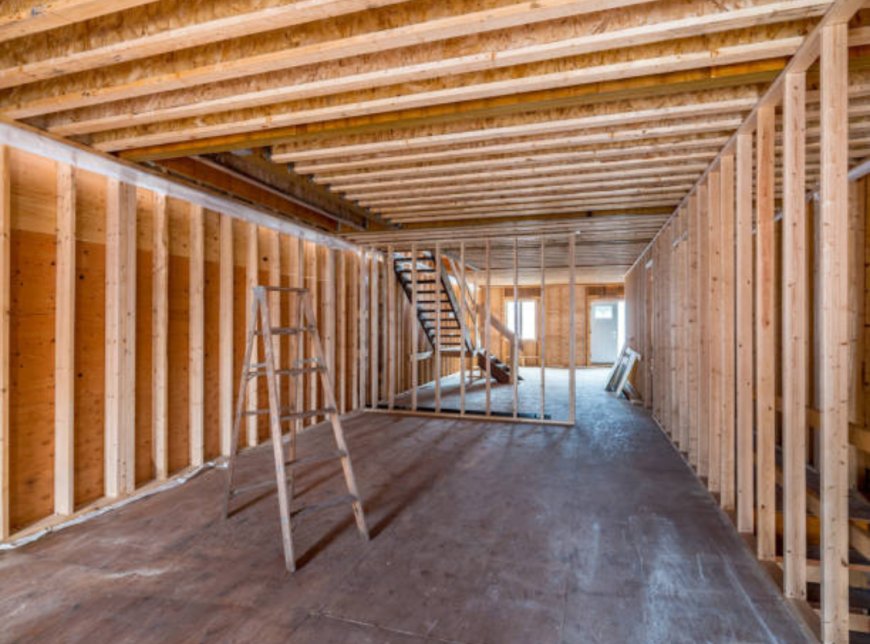
In todays world of environmentally responsible building practices, incorporating reclaimed materials into new construction is more than a trend; its a smart, sustainable approach that merges character with conscience. With growing awareness about climate change, landfill reduction, and energy efficiency, builders and homeowners alike are embracing strategies that minimize environmental impact while preserving aesthetic appeal. Reclaimed materials offer unique textures, durability, and historical value that are hard to replicate with new products. Whether youre building a custom home, a cottage, or even a commercial space, integrating reclaimed resources into your project can set it apart both visually and ethically.
Understanding the Value of Reclaimed Materials
Reclaimed materials are those that have been salvaged from old buildings, industrial sites, barns, and even shipyards. Commonly reused items include wood beams, flooring, bricks, metal fixtures, windows, and doors. These elements bring depth, craftsmanship, and authenticity to any new construction project. Additionally, many reclaimed items are often made from old-growth timber or higher-quality materials that may no longer be available in mass production today. Their durability and patina add layers of interest while also reducing the demand for newly manufactured materials. In essence, using reclaimed elements adds soul to a space, something modern manufacturing cant always replicate.
Aesthetic Appeal Meets Functionality
Incorporating reclaimed materials into new construction allows homeowners to enjoy the best of both worlds: timeless design and modern efficiency. Reclaimed wood, for example, can be used for flooring, feature walls, or ceiling beams, offering warmth and character. Old bricks can provide a rustic charm when used in fireplaces, accent walls, or exterior faades. These materials not only contribute to the overall visual appeal but also carry a story, a sense of place, and history that cant be bought off the shelf. This blending of the old and new creates visually rich spaces that feel lived-in from the start.
Smart Use in Structural and Decorative Applications
While reclaimed materials are often thought of as purely decorative, many can be repurposed for structural applications in new construction. Seasoned timber beams can serve as load-bearing supports, while stone and brick can be integrated into foundations and retaining walls. For contractors offering Owen Sound residential construction services, incorporating reclaimed elements showcases both craftsmanship and a commitment to sustainability. Builders can also blend reclaimed and new materials seamlessly, meeting modern building codes while achieving a rustic or industrial look. This dual-purpose use not only adds value but also promotes environmentally conscious design.
Cost Considerations and Sourcing Strategies
Although reclaimed materials may initially seem more expensive due to labor-intensive sourcing and restoration, they can offer long-term savings. Their superior durability often reduces maintenance costs, and in some cases, reclaimed goods may be more affordable than newly manufactured high-end options. Local salvage yards, architectural reuse centers, and demolition sales are excellent sources. Additionally, some construction firms specialize in deconstructing buildings specifically to preserve materials for reuse. Partnering with such suppliers ensures access to high-quality components that are both functional and visually appealing. Moreover, sourcing locally reduces transportation emissions and supports regional economies.
Environmental and Ethical Benefits
The environmental benefits of using reclaimed materials in new construction are significant. Reusing resources reduces the demand for virgin materials, helping to preserve forests, reduce mining activity, and cut down on industrial emissions. It also decreases the volume of construction waste ending up in landfills. Ethically, this practice supports a circular economy, encouraging thoughtful consumption and reducing the overall carbon footprint of a building project. Homeowners who prioritize sustainability in their builds often find that these practices align with their values and contribute to healthier, more responsible living environments.
Popular Reclaimed Materials for New Construction
Some of the most sought-after reclaimed materials include hardwood flooring, barn wood, bricks, corrugated metal panels, vintage tiles, and industrial light fixtures. Reclaimed wood is especially popular due to its aesthetic versatility, with applications ranging from farmhouse-style kitchens to modern minimalist spaces. Vintage doors and windows, with their unique detailing and glasswork, can serve as stunning focal points. Salvaged hardware and fixtures can add subtle character while remaining fully functional. The adaptability of these materials makes them ideal for a variety of design aesthetics, from rustic to contemporary, and everything in between.
Combining Modern Technology With Traditional Materials
New construction doesnt have to mean abandoning technological convenience. Reclaimed materials can coexist beautifully with cutting-edge features. Smart home systems, energy-efficient HVAC units, and solar technologies can be seamlessly integrated with walls clad in reclaimed wood or floors made from historic hardwood. This fusion of tradition and innovation creates spaces that feel both timeless and forward-thinking. Moreover, modern sealing and treatment techniques ensure that reclaimed elements are brought up to todays safety and energy-efficiency standards without compromising their natural beauty.
Challenges and How to Overcome Them
Incorporating reclaimed materials into new construction comes with some challenges, including inconsistent sizing, the need for treatment or refinishing, and potential structural wear. However, these hurdles are typically manageable with proper planning and the right contractors. Its essential to inspect all materials for pests, moisture damage, or contaminants such as lead paint. Once approved, materials should be properly treated and integrated by professionals familiar with both traditional craftsmanship and modern building codes. With a strategic approach, these challenges become opportunities to create a one-of-a-kind home.
Why Homeowners Are Embracing This Trend
The increasing interest in personalized, meaningful home design is one reason why more homeowners are choosing to include reclaimed elements in new construction. They want homes that reflect their tastes, values, and a sense of place, something mass-produced materials can rarely offer. Additionally, theres a growing desire to make more responsible choices in everyday life, and construction is no exception. By choosing reclaimed materials, homeowners make a statement about quality, sustainability, and authenticity, enhancing not just the look of their property but its story and soul as well.
Conclusion
Incorporating reclaimed materials into new construction is more than an aesthetic decision; its a commitment to sustainability, quality, and individuality. From unique textures and historic character to significant environmental benefits, reclaimed elements bring layers of depth to any project. Whether youre building a modern home with rustic flair or a timeless retreat filled with character, the thoughtful use of these materials can elevate your design and your values. By blending the old with the new, todays homeowners are creating spaces that are as meaningful as they are beautiful, and setting a new standard for what new construction can truly mean.