























The Pros and Cons of Nasal Masks for Sleep Apnea Patients
Discover the pros and cons of nasal masks for sleep apnea treatment. Learn how sleep apnea doctors recommend them for improved sleep quality

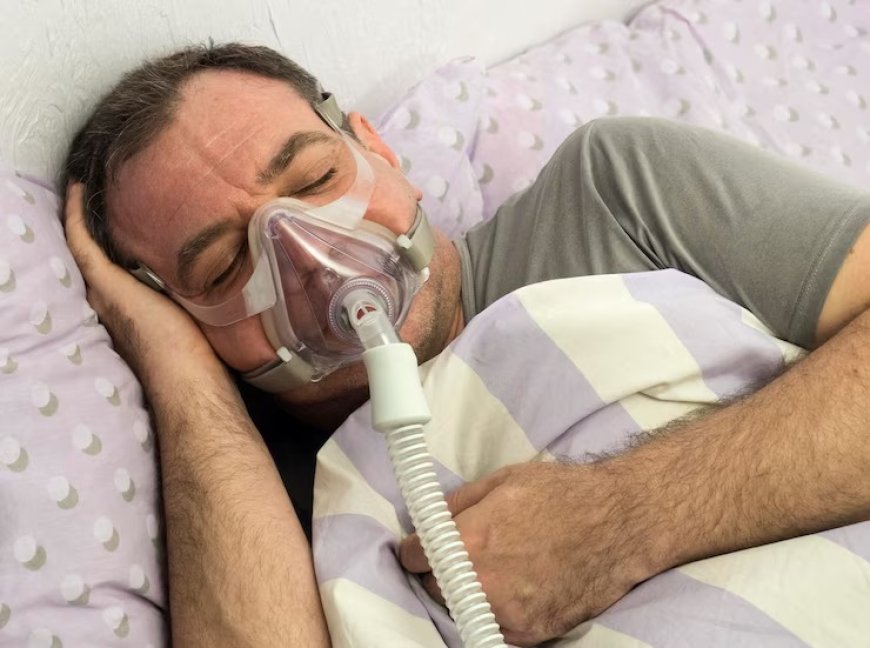
Sleep apnea is a sleep disorder that causes repeated interruptions in breathing during sleep, often leading to a significant reduction in sleep quality. While this condition can have serious health consequences, treatments such as CPAP (Continuous Positive Airway Pressure) therapy are widely used to manage its symptoms. Among the various CPAP mask options available, nasal masks have gained popularity among sleep apnea patients. These masks are designed to fit over the nose, delivering a continuous flow of air to keep the airway open during sleep. However, like any treatment option, nasal masks come with their own set of advantages and disadvantages.
Understanding Nasal Masks for Sleep Apnea
Before diving into the pros and cons, it's important to understand how nasal masks function. Typically, nasal masks are designed to cover only the nose, as opposed to full-face masks, which cover both the nose and mouth. sleep apnea doctors often recommend nasal masks to patients who primarily breathe through their noses while sleeping or those who have mild to moderate sleep apnea. The mask is connected to a CPAP machine, which generates a gentle stream of air that prevents the airway from collapsing.
Pros of Nasal Masks for Sleep Apnea Patients
1. More Comfortable Fit
One of the main reasons why nasal masks are popular among sleep apnea patients is their comfort. Since they only cover the nose, they tend to be lighter and less intrusive compared to full-face masks. This can make them a more appealing choice for individuals who feel claustrophobic or uncomfortable with larger masks. Sleep apnea doctors often highlight the comfort factor as a significant benefit, especially for first-time CPAP users.
2. Better for Nose Breathers
Nasal masks are specifically designed for patients who breathe through their noses, making them an excellent choice for individuals with no nasal obstructions. They provide a direct flow of air through the nasal passages, which can promote natural breathing patterns. For patients who are accustomed to nose breathing, nasal masks can offer a more familiar and natural experience.
3. Less Disruption to Sleep
Nasal masks tend to be quieter than full-face masks because they are less likely to produce air leaks or cause discomfort around the mouth area. As a result, they may lead to less disruption during sleep, promoting a more restful night. This can be particularly important for patients who struggle with mask leaks or who are sensitive to noise while they sleep.
4. Ideal for Mild to Moderate Sleep Apnea
For those suffering from mild to moderate forms of sleep apnea, nasal masks can be an effective treatment option. They deliver the necessary air pressure to prevent airway collapse, which helps maintain a clear airway during sleep. For many individuals, this level of intervention is sufficient, making nasal masks a less invasive and more affordable alternative to other types of CPAP masks.
5. Minimal Skin Irritation
Since nasal masks cover only the nose, they typically cause less skin irritation than full-face masks, which can rub against the skin around the mouth and chin. This is an essential consideration for patients with sensitive skin or those prone to facial sores. Sleep apnea doctors often suggest nasal masks for patients with concerns about skin irritation, as they offer a gentler fit.
Cons of Nasal Masks for Sleep Apnea Patients
1. Not Suitable for Mouth Breathers
While nasal masks are ideal for individuals who breathe through their nose, they are not as effective for mouth breathers. If a patient struggles to keep their mouth closed during sleep, air may escape, rendering the CPAP therapy less effective. In such cases, sleep apnea doctors might recommend a full-face mask, which covers both the nose and mouth and ensures a continuous air supply.
2. Can Cause Nasal Congestion
Although nasal masks provide a direct airflow through the nose, they can sometimes exacerbate nasal congestion or dryness. Individuals who suffer from allergies or sinus problems may find it difficult to use nasal masks comfortably. Additionally, dry air can irritate the nasal passages, leading to discomfort and the potential for nosebleeds. For these reasons, patients with chronic sinus issues may not find nasal masks to be the best option.
3. Air Leaks
Nasal masks, while generally effective, can sometimes experience air leaks, especially if they are not fitted correctly. These leaks can disrupt sleep and reduce the effectiveness of the CPAP therapy. Ensuring a proper fit is crucial, and this may require adjustments over time as the mask may shift during sleep. While this is true for most CPAP masks, it can be a particular concern with nasal masks, which rely on a precise fit to function optimally.
4. Not Ideal for Severe Sleep Apnea
For patients with severe sleep apnea, nasal masks may not provide enough pressure to keep the airway open. In such cases, doctors might recommend a full-face mask, which is better equipped to deliver higher pressures. Severe cases of sleep apnea often require more intensive therapy, and nasal masks may not always be suitable for these patients.
5. Pressure Points on the Nose
Although nasal masks are generally considered more comfortable than full-face masks, some users may experience discomfort or pressure on the bridge of the nose. This can lead to red marks or soreness after extended use, particularly if the mask is not properly adjusted. While this is a minor issue for some, it can be bothersome for others and may necessitate a different mask type.
Conclusion
In conclusion, nasal masks offer several benefits for sleep apnea patients, including comfort, a natural fit for nose breathers, and minimal skin irritation. However, they also come with some drawbacks, such as their unsuitability for mouth breathers and potential for air leaks. Whether or not a nasal mask is the right choice depends on the individuals specific needs, including the severity of their sleep apnea and their breathing habits. Consulting with sleep apnea doctors is essential for determining the most appropriate treatment, as they can guide patients through the process of choosing the best mask for their condition. While nasal masks may be an excellent solution for some, others may require alternative treatments to achieve optimal results.