





























How a Roof Rack Affects Fuel Economy, Speed, and Handling
Discover how a roof rack affects your car's fuel economy, speed, and handling. Discover the advantages, disadvantages, and practical tips for using roof racks safely and efficiently.

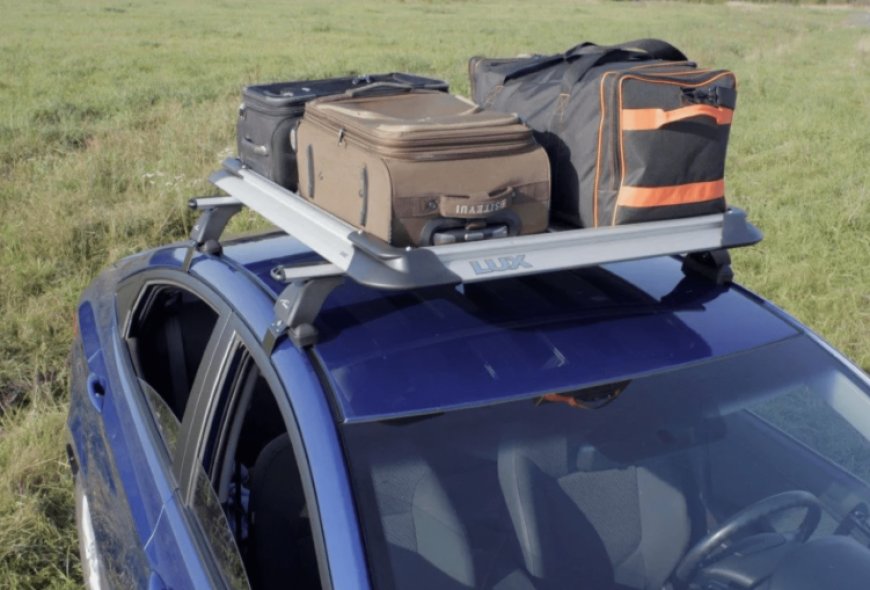
Adding a roof rack to your car might seem like a simple upgrade, especially if youre an adventurer, cyclist, or someone who just needs more storage space. However, before installing one, its essential to understand how a roof rack can affect your cars fuel economy, speed, and handling.
Lets break down everything you need to know about how a roof rack affects your driving experienceand whether the trade-offs are worth it.
What Is a Roof Rack, and Why Use One?
A roof rack is an external frame mounted to the top of your vehicle. It allows you to carry bulky items like luggage, bikes, skis, kayaks, or even a rooftop cargo box. For road trips and outdoor adventures, roof racks are handy because they free up space inside your vehicle and let you bring along gear you wouldnt otherwise fit.
But while they boost practicality, roof racks also introduce certain changes to how your car behaves on the road.
1. How a Roof Rack Affects Fuel Economy
Increased Wind Resistance
The most immediate effect a roof rack has on your car is aerodynamic drag. When your vehicle moves, air flows over its surface. A clean, streamlined car shape allows air to pass smoothly, which helps with fuel efficiency. However, adding a roof rackespecially if its loadeddisrupts this flow, creating more resistance.
This added resistance means your engine has to work harder to maintain speed, which burns more fuel. According to studies from the U.S. Department of Energy, roof racks can reduce fuel economy by as much as 10% to 25%, depending on your speed and the weight of the load.
Example:
If your car usually gets 30 miles per gallon, you might only get 2427 MPG with a loaded roof rack on the highway. Over long distances, this adds upboth in fuel costs and environmental impact.
Weight Matters, Too
While the drag is the main issue, extra weight also plays a role. Carrying heavy gear on the roof adds to your cars total load, which forces your engine to use more fuel. A fully packed roof box or cargo carrier can weigh over 100 pounds. That extra weight might not seem like much, but it affects your cars fuel economy over timeespecially if combined with increased air resistance.
2. How a Roof Rack Affects Speed
Slower Acceleration
Adding a roof rack (and any gear on it) can slow down your cars acceleration. Why? Because your engine now has to carry more weight and push through more wind.
You may not notice a dramatic difference in stop-and-go city driving, but on highways or when overtaking other vehicles, your car may feel less responsive. A heavier load makes the engine work harder to gain speed, which is especially noticeable in smaller cars or less powerful engines.
Speed Limits and Safety
Some roof rack manufacturers recommend not exceeding certain speeds, especially when carrying cargo. This is usually around 75 to 80 mph, depending on the rack and what youre carrying. Higher speeds increase the risk of instability, cargo detachment, or even roof damage.
If youre driving with gear on the roofespecially large items like kayaks or rooftop tentsits best to drive conservatively. Doing so not only preserves fuel but also ensures your vehicle remains stable.
3. How a Roof Rack Affects Handling
Changes to Vehicle Center of Gravity
When you place weight on top of your car, you raise its center of gravity. This affects how your vehicle handles, especially during turns or in high winds. A higher center of gravity makes your car more top-heavy, which can increase the risk of body roll or even tipping during sharp maneuvers.
This is particularly concerning for SUVs and vans, which already have a higher ride height. If you frequently drive on curvy roads or off-road terrain, take extra care when using a roof rack.
Braking and Cornering
Extra weight also impacts your braking distance. A heavier load means your brakes have to work harder to bring the vehicle to a stop. Combined with the top-heavy effect, braking hardespecially while turningcan make the car feel unstable.
Drivers may also notice more sway or wind buffeting, particularly in crosswinds or when being passed by large trucks. These handling changes might be subtle at first but can become more pronounced with higher speeds or heavier loads.
4. Tips for Using a Roof Rack Smartly
Just because roof racks affect your cars performance doesnt mean you should avoid them altogether. Instead, follow these tips to minimize the downsides and maximize safety:
? Choose an Aerodynamic Roof Rack
Opt for streamlined, low-profile roof racks or cargo boxes designed to reduce drag. These may cost more upfront but can improve fuel efficiency and stability.
? Remove the Rack When Not in Use
If you're not regularly hauling gear, consider taking the roof rack off. An empty roof rack can still cause drag and reduce MPG by up to 5%.
? Distribute Weight Evenly
Keep your load centered and balanced. Avoid overloading one side, and make sure everything is securely fastened. Unbalanced loads can affect steering and cause unpredictable handling.
? Stay Within Load Limits
Check your vehicles roof load rating and never exceed it. This includes the weight of the rack and all gear. Going over this limit can damage your cars structure or lead to accidents.
? Drive at Moderate Speeds
Maintain a steady, moderate speed when driving with a roof rack, especially on the highway. Avoid sudden lane changes or hard turns.
Real-World Example: Weekend Adventure vs. Daily Commute
Lets say youre a weekend warrior who loves kayaking and camping. You load your roof rack with a kayak, some gear, and hit the road. Sure, you might burn more gas and feel the car sway a little on the highway, but the trade-off is worth it for the adventure.
However, keeping that same setup on your car during the workweekwhen you're just commuting or running errandsisnt efficient. Youre burning more fuel, accelerating slower, and wearing out your suspension for no reason.
Bottom line: Use your roof rack when you need it, and take it off when you dont.
Is a Roof Rack Right for You?
It depends on your lifestyle. If you regularly go on road trips, camp, or need to haul large equipment, a roof rack is a game-changer. Just be aware of the impact on your fuel costs, driving performance, and handling safety.
For occasional use, consider temporary or removable roof racks. These provide flexibility without the long-term trade-offs.
Summary: Key Takeaways
| Factor | How a Roof Rack Affects It |
|---|---|
| Fuel Economy | Can reduce MPG by 1025%, especially at highway speeds. |
| Speed | Slightly slower acceleration, particularly in smaller cars. |
| Handling | Higher center of gravity leads to more sway and less stability. |
| Braking | Longer stopping distances when carrying heavy loads. |
| Wind Noise | Increased noise depending on the design and cargo type. |
Final Thoughts
A roof rack is an incredibly handy tool for travelers, families, and outdoor enthusiasts. But its not a set-it-and-forget-it accessory. Understanding how it affects your car's fuel economy, speed, and handling can help you make smarter choices, both for your wallet and your safety.
When used thoughtfully and safely, a roof rack adds convenience without too many drawbacks. Just remember to take it off when its not needed, distribute weight carefully, and drive with a little more awareness.
FAQs
1. Does an empty roof rack affect gas mileage?
Yes, even an empty roof rack creates additional aerodynamic drag, which can reduce fuel efficiency by around 5% or moreespecially at highway speeds.
2. Can a roof rack damage my car?
Not if it's properly installed and used within the manufacturer's weight limits. However, exceeding those limits or poor installation can cause roof dents, scratches, or even structural damage over time.
3. Is it better to use a roof rack or a trailer?
It depends. A trailer usually affects fuel economy less and has a lower center of gravity, which can improve handling. However, its more difficult to store and maneuver. Roof racks are better for short-term, lighter cargo, while trailers work well for heavier loads.