



























Barium Carbonate: Properties, Applications, and Safety Guidelines
Barium Carbonate

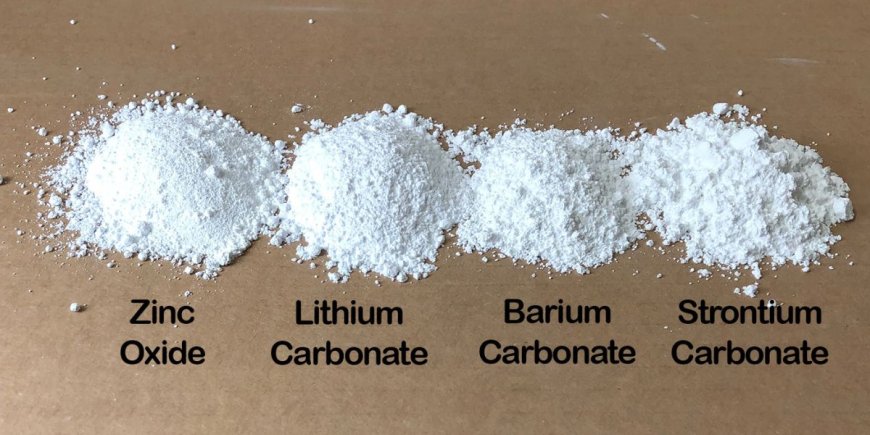
Barium carbonate (BaCO?) is an important inorganic compound with diverse industrial applications. As one of the most commercially significant barium compounds, it serves critical roles in ceramics, glass manufacturing, and chemical synthesis. This white, odorless powder occurs naturally as the mineral witherite but is more commonly produced synthetically for industrial use.
Chemical and Physical Properties
Basic Characteristics
-
Chemical formula:BaCO?
-
Molecular weight:197.34 g/mol
-
Appearance:White crystalline powder
-
Density:4.286 g/cm
-
Melting point:1,360C (decomposes)
Solubility Profile
-
Water solubility:0.002 g/100 mL (20C)
-
Acid solubility:Soluble in most acids with effervescence
-
Organic solvents:Insoluble
Thermal Behavior
Decomposes to barium oxide (BaO) and carbon dioxide (CO?) at high temperatures:
BaCO? ? BaO + CO? (above 1300C)
Industrial Applications
1. Glass Manufacturing
-
Acts as a flux to improve glass clarity
-
Reduces bubble formation during melting
-
Enhances refractive index in optical glasses
-
Typical concentration: 0.5-2% by weight
2. Ceramic Industry
-
Key component in ceramic glazes (10-20% composition)
-
Improves glaze hardness and scratch resistance
-
Creates unique crystalline effects in specialty tiles
-
Prevents discoloration in whiteware products
3. Brick and Clay Products
-
Reduces efflorescence in fired bricks
-
Concentration range: 0.5-1.5% of dry clay weight
-
Enhances mechanical strength of final products
4. Chemical Precursor
-
Raw material for producing other barium compounds:
-
Barium chloride (BaCl?)
-
Barium titanate (BaTiO?)
-
Barium ferrite (BaFe??O??)
-
5. Other Specialized Uses
-
Rat poison (historically, now largely discontinued)
-
Electroceramic components
-
Optical lens production
Production Methods
1. Carbonation Process
Barium sulfide (BaS) solution treated with CO?:
BaS + CO? + H?O ? BaCO? + H?S
2. Precipitation Method
Reaction between barium chloride and sodium carbonate:
BaCl? + Na?CO? ? BaCO? + 2NaCl
3. From Natural Witherite
Purification and refinement of the mineral source
Health and Safety Considerations
Toxicity Profile
-
Oral LD?? (rat):~800 mg/kg
-
Inhalation risk:Moderate (dust particles)
-
Skin contact:Low irritation potential
Exposure Risks
-
Acute effects:Muscle paralysis, gastrointestinal distress
-
Chronic exposure:Kidney damage, cardiovascular effects
Safety Protocols
-
Personal Protective Equipment (PPE)
-
NIOSH-approved respirator for dust protection
-
Chemical-resistant gloves (nitrile recommended)
-
Safety goggles with side shields
-
-
Handling Procedures
-
Use in well-ventilated areas
-
Implement local exhaust ventilation
-
Avoid generating dust clouds
-
-
Storage Requirements
-
Keep in tightly sealed containers
-
Store away from acids and food products
-
Maintain dry conditions (RH <60%)
-
-
Emergency Measures
-
Ingestion:Rinse mouth, give water (if conscious), seek medical help
-
Eye contact:Flush with water for 15 minutes
-
Inhalation:Move to fresh air immediately
-
Environmental Impact
Ecotoxicity
-
Aquatic toxicity:LC?? (fish) >100 mg/L
-
Soil mobility:Low (Koc ~1,000)
Regulatory Status
-
Listed on REACH Annex XVII
-
Classified as Repr. 2 (H361d) under CLP
-
OSHA PEL: 0.5 mg/m (as Ba)
Waste Management
-
Treat as hazardous waste in most jurisdictions
-
Recommended disposal:
-
Neutralization with dilute acid
-
Solidification with cement
-
Licensed hazardous waste facility
-
Market and Economics
Global Production
-
Estimated annual output: 80,000-100,000 metric tons
-
Major producers: China (70%), Germany, India
Pricing Trends
-
Average price range: $600-800/ton
-
Grade differentiation:
-
Industrial grade: $500-600/ton
-
High purity (>99%): $800-1,200/ton
-
Emerging Alternatives and Future Outlook
Substitute Materials
-
Calcium carbonate (limited applications)
-
Strontium carbonate (higher cost)
-
Zinc oxide (specific glaze effects)
Research Directions
-
Nano-sized barium carbonate for advanced ceramics
-
Surface-modified grades for improved dispersion
-
Green synthesis methods
Conclusion
Barium carbonate remains an essential industrial material despite its toxicity concerns. Its unique combination of chemical and physical properties makes it difficult to replace in many applications. Ongoing research focuses on developing safer handling methods and more sustainable production processes while maintaining its critical performance characteristics in glass, ceramics, and specialty chemical manufacturing.