





























Farm Fuel in the UK: The Energy Behind British Agriculture
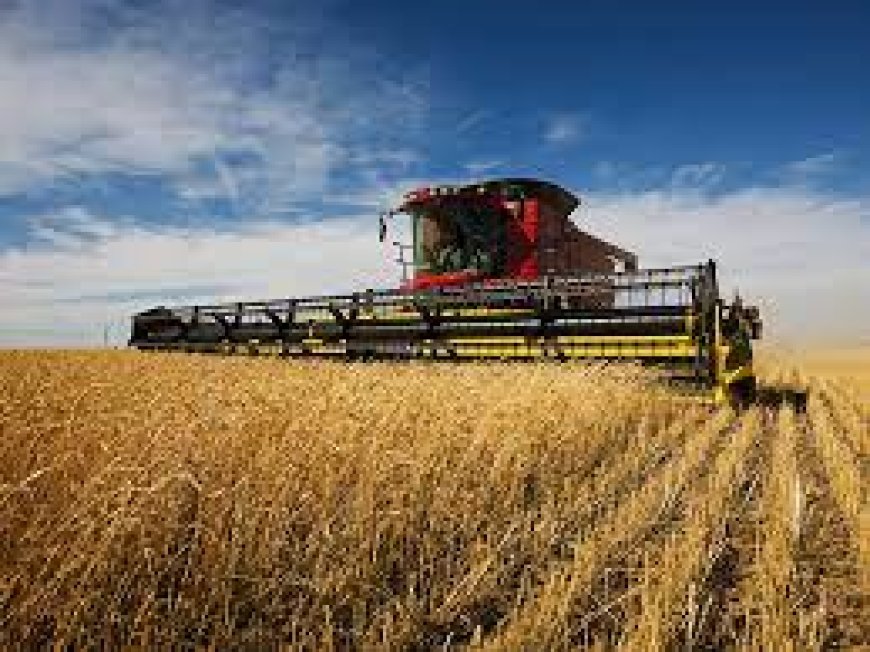
Agriculture in the United Kingdom depends heavily on fuel to power machinery, heat buildings, and keep operations moving across thousands of farms. From arable farms in East Anglia to livestock operations in the Scottish Highlands, farm fuel is a foundational resource. But its not just about keeping tractors running fuel also plays a key role in cost control, productivity, and environmental impact.
What Is Farm Fuel?
Farm fuel refers to the range of fuels used in agricultural operations. The most common types include:
-
Red Diesel (Gas Oil): A dyed, lower-tax diesel used in off-road agricultural machinery.
-
White Diesel (DERV): Standard diesel used in road-going farm vehicles.
-
Kerosene and Heating Oil: Used to heat greenhouses, barns, and other agricultural buildings.
-
Biodiesel and Renewable Fuels: An emerging option for reducing emissions and dependency on fossil fuels.
What Is Red Diesel and Why Is It Important?
Red diesel is the primary fuel used by UK farmers. Its chemically similar to white diesel but dyed red to show that it is taxed at a lower rate due to its restricted use in:
-
Tractors
-
Combine harvesters
-
Sprayers
-
Irrigation pumps
-
Generators and stationary engines
Important: Red diesel is legal only for off-road use. Using it in regular vehicles is illegal and subject to heavy penalties.
Fuel Usage on UK Farms
Fuel is vital across all areas of farming, including:
-
Field Operations: Ploughing, planting, spraying, and harvesting
-
Transport: Moving produce, supplies, and livestock (using on-road vehicles with white diesel)
-
Energy Supply: Running generators and heating systems
-
Irrigation: Fuel-powered pumps in drier regions or glasshouse setups
Key Challenges Facing UK Farmers
-
Fuel Cost Volatility
Global oil markets and political tensions can push up prices, squeezing farm profits. -
Environmental Regulations
Farmers face pressure to cut emissions. The UK government has signaled a gradual move away from fossil fuels as part of its net-zero strategy. -
Fuel Storage and Security
Rural fuel theft is an ongoing concern. Secure storage and monitoring systems are critical. -
Changes to Red Diesel Entitlement
In 2022, the UK government limited red diesel usage in some industries. While agriculture retained its exemption, the rule changes increased scrutiny on compliance.
Trends and the Future of Farm Fuel
-
Biofuels and Low-Carbon Alternatives
Farmers are beginning to trial biodiesel blends and synthetic fuels to reduce their carbon footprints. -
On-Farm Renewables
Solar panels, wind turbines, and anaerobic digesters are helping farms produce their own electricity and reduce fuel dependence. -
Fuel Additives
More farms are using additives to improve diesel efficiency, reduce maintenance issues, and prepare fuel for cold weather. -
Digital Fuel Management
Technology now allows farmers to monitor tank levels, schedule deliveries, and track usage with smart apps.
Conclusion
Farm fuel remains a vital part of UK agriculture, enabling the food production system to operate efficiently and sustainably. With rising costs and growing environmental pressure, the future of farm fuel lies in smarter usage, diversification of energy sources, and a gradual shift toward greener alternatives. For now, however, dieselparticularly red dieselcontinues to be the workhorse of British farming.