





























NYC DOT Sidewalk Violation: What It Means and How to Fix It
what an NYC DOT sidewalk violation means, how to fix it, and how to avoid costly mistakes. Get expert tips on sidewalk repairs and legal responsibilities for property owners.

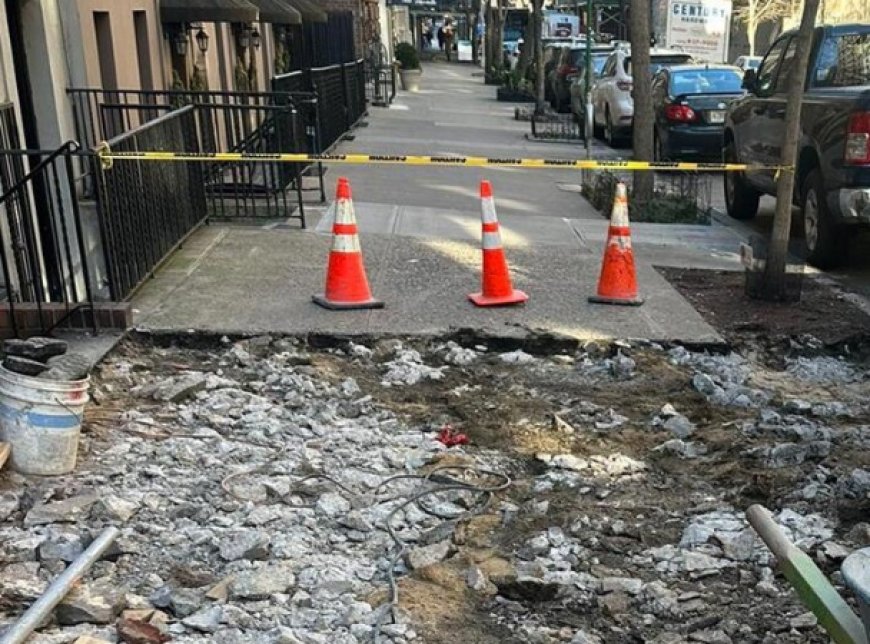
In New York City, property owners are responsible for maintaining the sidewalks in front of their buildings. When a sidewalk becomes cracked, uneven, or otherwise hazardous, the New York City Department of Transportation (DOT) may issue a formal notice known as a sidewalk violation. This notice informs the property owner that repairs must be made within a specific time frame.
Understanding how the sidewalk violation process works and what steps to take next is critical for avoiding penalties, maintaining safety, and protecting your propertys value. In this guide, we explain what the violation means, why its issued, and how you can resolve it effectively.
Why NYC Issues Sidewalk Violations
Sidewalk violations are issued to ensure public safety and preserve the city's infrastructure. Over time, sidewalks are exposed to weather conditions, foot traffic, and root damage from nearby trees. If a sidewalk becomes a trip hazard or impedes pedestrian movement, it poses a danger to the public.
To address this, the NYC DOT conducts inspections across the five boroughs. If an inspector finds damage outside your property, a violation may be issued. This notice does not come with an immediate fine, but it does require action. If you fail to act, the city may hire a contractor to make the repairs and charge you for the work.
Common Reasons for Receiving a Violation
Several conditions can trigger a DOT violation, including broken or uneven slabs, surface cracks, holes, or loose materials. Tree root intrusion is another frequent cause of sidewalk displacement. If your sidewalk lacks the proper slope for drainage or poses a risk for wheelchairs and strollers, it may also be cited.
Property owners should regularly check their sidewalks for signs of wear. Early detection and repairs can prevent a formal violation notice and help you avoid additional problems.
What Happens After You Receive a Sidewalk Violation
When the DOT issues a sidewalk violation, they will post a copy of the notice on your property and send one by mail. The notice identifies the problem area and specifies that repairs must be made within 45 days. During this period, you have the opportunity to hire a private contractor to fix the sidewalk.
If you take no action, the city may assign the job to one of their approved contractors. Once completed, the city bills the property owner, and the cost is added to your property tax bill. Delays or failure to pay can result in liens or other legal complications.
Hiring a Licensed Contractor
As a property owner, you have the right to select your own contractor as long as they are licensed by the city and have the proper permits. Its important to choose a company experienced in NYC sidewalk regulations to ensure the work meets DOT standards. You will also need to obtain a sidewalk repair permit, which your contractor can usually handle on your behalf.
Once the work is done, a final inspection may be required to confirm compliance. If everything checks out, the violation will be closed, and you will avoid further consequences.
The Role of Trees in Sidewalk Damage
In many cases, tree roots are to blame for sidewalk lifting or cracking. If a city-owned tree causes the damage, you may be eligible for repairs through the NYC Parks Department. However, you still must respond to the violation and report the tree-related issue to the appropriate agency.
While the DOT is responsible for issuing the violation, other departments may be involved in resolving it. Working with a contractor who understands these processes can help simplify the situation and avoid delays.
The Importance of Quick Action
Delaying sidewalk repairs after receiving a violation can lead to a series of problems. First, there is the risk of the city stepping in and completing the work on your behalf. This often costs more than if you had handled it privately. Second, a damaged sidewalk remains a liability. If someone is injured due to your negligence, you could be held legally and financially responsible.
Handling the issue early shows responsibility and ensures public safety. It also helps you maintain a good standing with the city and avoid long-term complications.
What Property Owners Should Avoid
Some property owners attempt quick fixes without proper permits or licensed contractors. This is a mistake that can lead to more problems. The city may reject the repair, issue a new violation, or demand that the work be redone. Additionally, improper repairs can further damage your property or nearby infrastructure.
Make sure all repair work is up to code and documented properly. Working with trusted professionals from the beginning saves you time and prevents future headaches.
Financial Considerations and Hidden Costs
Many property owners are concerned about the Cost of Sidewalk Repairs, and rightly so. Depending on the extent of the damage, repair costs can vary significantly. Small patching or crack sealing may be relatively inexpensive, but full slab replacements or tree-related damage can be more costly.
Besides labor and materials, costs may include permit fees and city inspections. If the city ends up doing the repairs, they will not look for the lowest bid, which means you could pay more than necessary. Addressing the issue quickly on your own terms helps you control expenses and manage your budget better.
Preventing Future Sidewalk Violations
After dealing with a violation once, most property owners prefer not to repeat the experience. Preventive maintenance is key. Inspect your sidewalks regularly, especially after winter, when freeze-thaw cycles often worsen existing cracks. Look out for tree root growth, pooling water, or sections that have become uneven.
Hiring a sidewalk maintenance professional once a year can help catch problems early. Simple tasks like sealing small cracks or leveling uneven spots go a long way in avoiding larger repairs and violations in the future.
How Long Does It Take to Resolve a Violation?
The timeline for resolving a violation can vary. If you act quickly, hire a licensed contractor, and obtain the proper permits, the entire process can take just a few weeks. However, if you delay or wait for the city to step in, the process can drag on for months.
Some cases also require coordination with the Parks Department or utility companies, especially if trees or underground pipes are involved. Getting started as soon as you receive the notice is the best way to ensure a smooth and timely resolution.
Final Thoughts
Receiving a sidewalk violation from the NYC DOT is not the end of the world, but it is something that requires immediate attention. The city prioritizes public safety, and sidewalk conditions play a big role in that mission. Property owners must take responsibility for the sidewalks in front of their buildings and follow through on repairs in a timely and lawful manner.
By understanding what the violation means, knowing how to respond, and working with qualified professionals, you can fix the problem efficiently and avoid unnecessary complications. Being proactive helps you manage costs, reduce liability, and keep your neighborhood safe and walkable for everyone.