




























How to Choose the Right Ethernet Cable for Your Home or Office

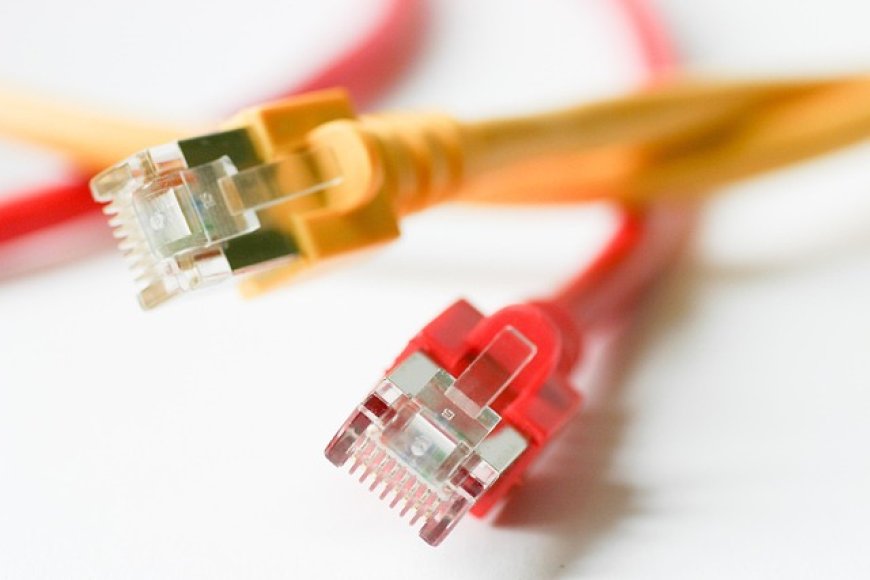
in today's digital world, a strong and stable internet connection is essential. Whether you're working from home, streaming movies, or managing a full office network, the right Ethernet cable plays a key role in delivering fast and consistent connectivity. While Wi-Fi is convenient, wired connections still provide the best speed, reliability, and security for many tasks.
Choosing the right Ethernet cable may seem confusing at first, especially with so many types and technical terms. However, understanding the basics of cable categories, shielding, length, and usage can make your decision much easier.
Understanding Ethernet Cable Categories
Ethernet cables are divided into categories, such as Cat5e, Cat6, Cat6a, and Cat7. Each category is designed to support specific speeds and bandwidths. For example, Cat5e cables can handle up to 1 Gbps speed, while Cat6 cables can support up to 10 Gbps at shorter distances.
For home users with standard internet use like browsing, video calls, and light streaming, Cat5e might still work fine. But if you plan to transfer large files, play online games, or work with cloud-based apps, a higher category cable like Cat6 or Cat6a is recommended. Offices with multiple devices and heavy data needs should avoid lower category cables and instead focus on high-speed options.
Cable Length and Its Impact
The length of an Ethernet cable directly affects its performance. Generally, Ethernet cables work best up to 100 meters (around 328 feet) without needing signal boosters or switches. Longer cables can result in reduced speeds and signal loss, especially if the cable quality is poor.
When buying a cable for your setup, measure the distance between your router or switch and the device you want to connect. Make sure to leave some extra length for routing around walls, desks, or ceilings. Pre-cut cables are available in various lengths, but for custom installations, you might consider bulk cable spools like the cat6 plenum cable 1000ft, which allows you to cut to the exact size you need for your space.
Plenum vs. Riser and PVC Jackets
Another important factor in choosing the right Ethernet cable is the type of jacket it uses. There are three main types: plenum, riser, and PVC. Plenum cables are designed for air-handling spaces such as ceilings and HVAC ducts, and they have a special fire-retardant jacket that produces low smoke if burned.
Riser-rated cables are made for vertical spaces like walls between floors but aren't suitable for air ducts. PVC cables are often used in basic home setups where fire safety and air circulation arent a concern.
If you're running cable through ceilings or walls in a commercial building or even a multi-floor home, plenum-rated cables provide a higher level of safety. Its always smart to check local building codes to make sure your cable type is compliant.
Shielded vs. Unshielded Ethernet Cables
Electromagnetic interference (EMI) can negatively affect signal quality, especially in environments with lots of electrical equipment. In such cases, shielded Ethernet cables are ideal, as they come with extra layers of protection to reduce interference.
Unshielded cables, on the other hand, are fine for most residential and small office environments where EMI isnt a major concern. If you're installing your network in a place with many electronics or near large power lines, investing in shielded cables may be a wise decision.
Solid vs. Stranded Conductors
Ethernet cables also come in two internal constructions: solid and stranded. Solid cables use a single piece of copper wire per conductor and are better for long runs and fixed installations, such as inside walls or ceilings.
Stranded cables consist of multiple smaller wires twisted together and are more flexible, making them ideal for patch cables and frequent handling. For home users who want to connect devices like laptops or gaming consoles, stranded cables are easier to manage. But for a structured setup in an office or a home network panel, solid conductors are often more reliable.
Compatibility With Network Equipment
Before making your final decision, check the compatibility of your Ethernet cable with your existing or planned network hardware. Routers, switches, modems, and network interface cards (NICs) should all support the cable's performance levels. Using a Cat6 cable with an older router may not provide a significant performance boost if the router doesnt support higher speeds.
When setting up a gigabit or 10-gigabit network, make sure all devices and the cabling system match the desired speed. An imbalance can create performance bottlenecks and make even high-end cables ineffective.
Planning for Future Network Growth
One of the most overlooked parts of choosing an Ethernet cable is thinking about future needs. While your current internet speed might be under 1 Gbps, upgrading to a faster plan or adding more smart devices could require better cabling. Installing high-quality cables now saves you from ripping out walls or ceilings later.
The cat6 plenum cable 1000ft is a good example of forward-thinking cabling. It provides the performance, fire safety, and distance flexibility needed in both homes and commercial environments. Its bulk format also lets installers cut custom lengths for cleaner and more efficient setups.
Evaluating Quality and Manufacturer
Not all Ethernet cables are created equal. Low-quality cables may not meet actual performance claims, even if they're labeled as high-speed. Always buy from reputable manufacturers who clearly state compliance with standards like UL listing, RoHS compliance, and ANSI/TIA guidelines.
Also, look for features like snagless boots on patch cables and gold-plated connectors, which enhance durability and signal quality. Cables from trusted brands tend to last longer and perform more reliably over time.
Choosing the Right Cable for Your Environment
The environment where the cable will be installed also matters. In-home use with short distances and low interference, basic Cat5e or Cat6 cables might be enough. But if youre setting up a server room, smart home hub, or office floor with many users, higher performance and fire-rated cables are essential.
Think about your space: Are you running cable in open air, through ceilings, or near power sources? Is your setup temporary or permanent? These questions help determine which jacket type, shielding level, and cable construction will work best.
Final Thoughts
Selecting the right Ethernet cable might seem like a small detail, but it can have a big impact on your networks performance and safety. By understanding cable categories, materials, and usage, you can confidently choose a solution that supports your current setup and prepares you for future growth.
Take the time to evaluate your space, check compatibility, and invest in quality materials. Whether you're building a home network or managing an office infrastructure, a smart cable choice is the backbone of smooth, uninterrupted connectivity.