


























Thiksey Monastery History: A Spiritual Legacy in the Mountains
Explore Thiksey Monastery history, its spiritual legacy, architectural beauty, and serene atmosphere. Learn about its significance, see stunning Thiksey Monastery images, and check Thiksey Monastery timings.
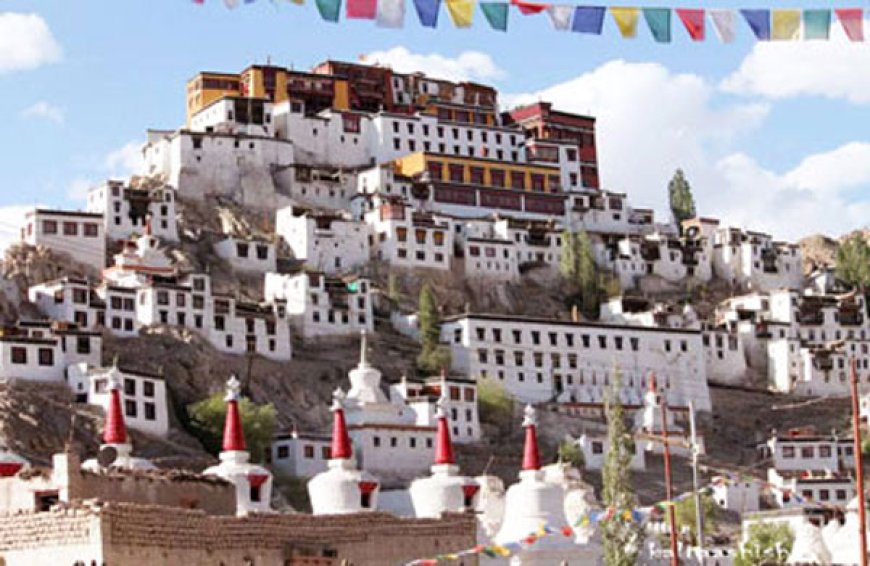
Nestled amidst the serene landscape of Ladakh, Thiksey Monastery stands as a symbol of Buddhist spirituality and Tibetan culture. Located about 19 kilometers from Leh, this hilltop monastery attracts visitors not only for its stunning views but also for its deep historical and spiritual roots. As one of the most significant monasteries in the region, Thiksey has earned admiration for its resemblance to the Potala Palace in Lhasa and its peaceful ambiance. Understanding the Thiksey Monastery history helps you connect with the larger story of Buddhism in Ladakh and the enduring traditions that continue to flourish in this Himalayan land.
Origin and Foundation: A Timeless Beginning
The foundation of Thiksey Monastery traces back to the 15th century, making it over 600 years old. It was established by Paldan Sherab, a disciple of Je Tsongkhapa, the founder of the Gelugpa or Yellow Hat sect of Tibetan Buddhism. Initially, the monastery began as a small establishment at a different location but was later moved to its current site on a hilltop in the Indus Valley. This relocation gave the monastery its commanding view and architectural brilliance that we see today. From these humble beginnings, Thiksey grew in stature and influence, becoming a major spiritual and cultural center in Ladakh.
Architectural Grandeur: A Replica of the Potala Palace
What makes Thiksey Monastery especially captivating is its unique multi-level structure that cascades down the hillside. The architecture is reminiscent of Tibets iconic Potala Palace, with whitewashed buildings topped with golden roofs and colorful flags fluttering in the mountain breeze. The monastery complex is made up of various temples, prayer halls, courtyards, and residential quarters. Among its most striking features is the 49-foot-tall statue of Maitreya Buddha, which occupies two storeys of the building. This statue, built in 1970 to commemorate the 14th Dalai Lamas visit, stands as one of the tallest indoor statues in Ladakh and leaves a lasting impression on all who see it.
Cultural Significance and Monastic Life
Thiksey is not just an architectural marvel; it is a vibrant center of Buddhist teachings and monastic discipline. It is home to over a hundred monks who follow a rigorous daily routine of prayers, rituals, and studies. The monastery plays a key role in preserving Buddhist scriptures, art, and traditions. It conducts several ceremonies and festivals throughout the year, the most notable being the Gustor Festival, a two-day religious event celebrated with masked dances, prayers, and sacred rituals. These ceremonies are a reflection of the living heritage of the Gelugpa order and allow visitors to witness Buddhism not just as a philosophy but as a vibrant way of life.
The Spiritual Atmosphere: Silence and Solitude
The aura of peace that envelops Thiksey Monastery is perhaps its most striking quality. As you ascend the winding paths to the monastery, the outside world fades away, replaced by the sound of chanting monks, fluttering prayer flags, and the occasional tolling of bells. The inner sanctums are adorned with ancient thangkas, murals, and texts that date back centuries, offering insights into Tibetan iconography and Buddhist teachings. Whether you are a spiritual seeker or a curious traveler, the monastery provides a space for quiet reflection and a glimpse into a world guided by compassion, mindfulness, and inner peace.
Thiksey Monastery Images: Capturing Spiritual Beauty
Photographers and travel enthusiasts are often drawn to the monastery because of its spectacular visual appeal. From sunrise to sunset, the monastery glows in different shades of light, creating picture-perfect moments at every turn. Thiksey Monastery images have been featured in countless travel magazines, blogs, and social media posts, portraying not just the beauty of its buildings but also the depth of its cultural identity. Inside the monastery, intricate paintings, the Maitreya Buddha statue, and panoramic views of the Indus Valley offer endless subjects for photography. For those who cant visit in person, these images serve as a window into Ladakhs spiritual world.
Planning Your Visit: Best Time and Tips
For anyone planning a visit to this sacred site, its important to understand the best time to go and what to expect. The ideal months to explore Thiksey are from May to September, when Ladakh enjoys pleasant weather and open roads. During this period, the monastery is alive with activity and offers guided tours for tourists. According to official records, Thiksey Monastery timings are generally from 7:00 AM to 7:00 PM, allowing ample time for visitors to explore its many chambers, sit through a prayer session, or simply absorb the panoramic views from the terrace. Early mornings are particularly serene and are the best time for meditation and quiet reflection.
Thikseys Role in Preserving Buddhist Teachings
Beyond its function as a place of worship, Thiksey Monastery also serves as an educational center. The younger monks undergo rigorous training in philosophy, meditation, and rituals. Traditional methods of learning are still in use, where oral teachings and recitation play a key role. These teachings are passed down from senior monks to the younger generation, ensuring the continuity of ancient wisdom. The monastery also maintains a library containing rare scriptures and commentaries written in Tibetan and Sanskrit. For scholars and devotees alike, this library is a treasure trove of knowledge, preserving teachings that have guided humanity for centuries.
A Sacred Stop on the Ladakh Spiritual Trail
Thiksey Monastery is more than just a tourist attraction; it is a cornerstone in Ladakhs spiritual geography. Often visited alongside other important monasteries like Hemis, Shey, and Diskit, Thiksey forms part of a sacred trail that draws pilgrims and seekers from across the world. The monasterys location, history, and continued role in religious practice make it a must-visit destination for anyone interested in exploring Ladakh beyond its scenic landscapes. By delving into the history and significance of Thiksey, one gains a deeper appreciation for the cultural richness that defines this Himalayan region.
Conclusion: A Journey Into the Heart of Ladakh
To understand Thiksey Monastery is to journey into the spiritual heart of Ladakh. Its history is not just a tale of bricks and mortar, but a living narrative of faith, devotion, and resilience. The monastery has stood the test of time, surviving harsh climates, political changes, and the challenges of modernity, yet it continues to shine as a beacon of Buddhist heritage. Whether you are drawn by its architecture, its serene atmosphere, or the timeless wisdom it embodies, a visit to Thiksey Monastery is sure to leave a lasting impression on your soul. From learning about Thiksey Monastery history, admiring the Thiksey Monastery images, to planning around the Thiksey Monastery timings, every aspect adds a layer to the experiencemaking it one of the most enriching journeys you can take in Ladakh.